About
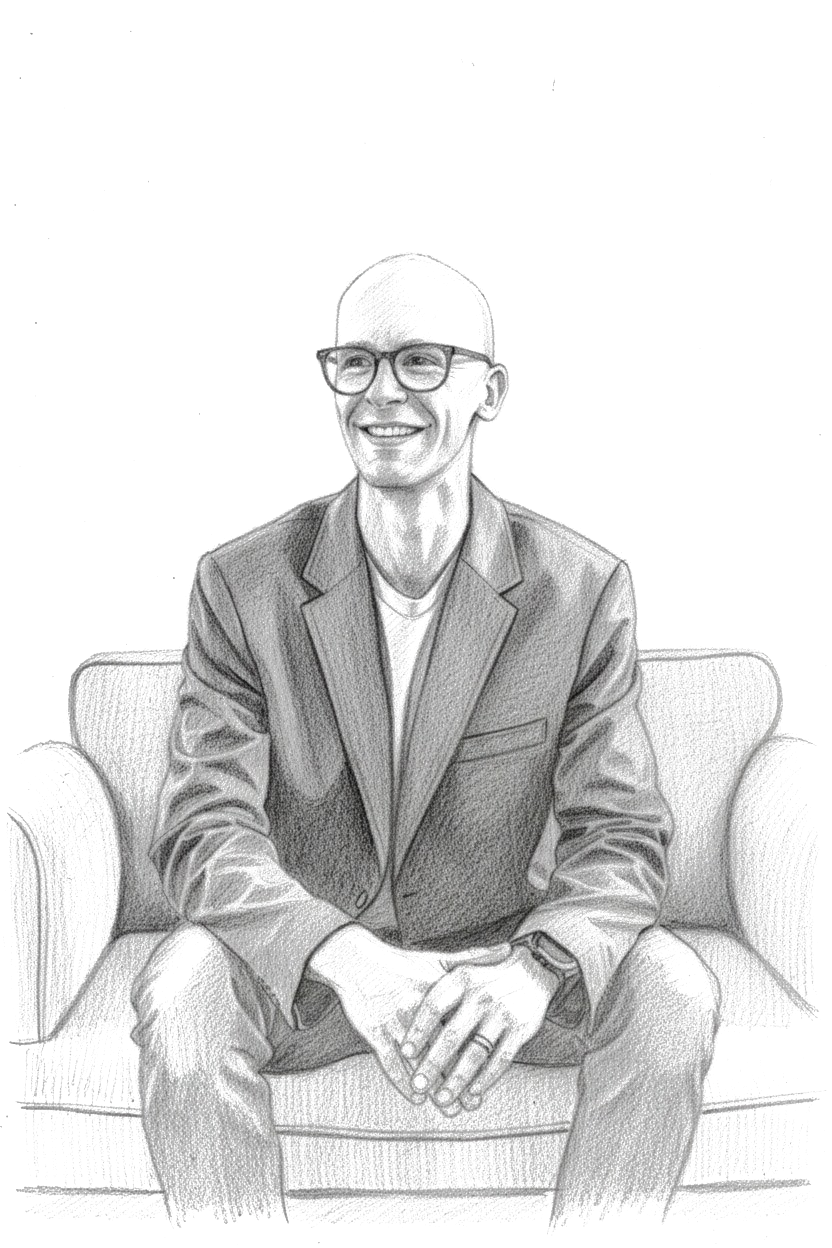
Tony Tushar Jr.
Data systems and content infrastructure leader. Minneapolis.
I've spent 8+ years building the systems that make information findable and decisions possible. Most recently leading a distributed consulting practice serving media and consumer clients. My focus is content systems, customer journey analytics, and the measurement infrastructure that connects the two, with AI agents increasingly part of how that work gets built.
What I do
Take disorganized information and data and organize it. Technically, and for the humans who need to use it. That second part is usually what separates a data project that lands from one that gathers dust. I care about the communication layer as much as the transformation layer.
A lot of my recent work has been in content systems and information architecture. At a B2B media company with 80+ editorial domains and 950+ content topics, I built the taxonomy, metadata structure, and performance measurement layer that let the content team see what was working, what was dead weight, and what to do about it. I've bridged CMS taxonomies with audience data platforms, built automated content performance reporting, and helped teams shift from "publish more" to "optimize what exists." I think of content libraries as products that need infrastructure, not just editorial attention.
My other domain depth is customer journey analytics. Stitching events, pathways, and engagements chronologically across a customer lifecycle, then turning that into segmentation, retention, churn analysis, marketing attribution, and product investment decisions. I've worked with customer data platforms long enough to be honest about them. The idea of pulling all of a brand's data sources together into one perfect customer 360 is a mirage a lot of companies chase. There's still real value in the pieces. You just have to know which pieces matter for your business model, and the business model usually changes at a much lower pace than the tech stack.
Stack
dbt, BigQuery (preferred), Snowflake, Airflow, Fivetran*, GA4 via BigQuery.
Claude and MCPs for AI-assisted development. I also build agentic AI infrastructure for my own
productivity on a dedicated Mac mini. I use the tools I recommend.
I'm agnostic on BI tools. I've shipped work in Looker, Tableau, and Lightdash, and the right choice is usually whatever the team already has context in rather than whichever is trending.
* Where it makes sense I lean on dlt (data load tool), an open-source Python library for ETL. With AI assistance you can build and maintain connectors at a fraction of Fivetran pricing and still monitor for API breaks. I've used it to bring Fivetran pipelines in-house at a media client and to POC an Adverity replacement.
What I'm looking for
I'm looking for the next seat. A brand, a company, a culture, and a product I can go deep on for the long haul, with a team I can build with and a problem I can live inside long enough to do it right.
- Series A or B, roughly 50 to 150 headcount
- Consumer-facing or audience-driven: retail, media, ecommerce, marketplace
- Greenfield analytics setup, or a first-gen foundation ready to mature
- Remote. I'm based in Minneapolis
- A team that works hard, plays hard, and lets people family hard too
Roles that fit: Lead Analytics Engineer, Lead AI Engineer, Head of Data, Founding Data Lead, or content systems roles where the job is treating a library like a product.
How I work
Most of my work has been in situations where the problem isn't fully scoped yet. Running a solo practice across five clients at a time taught me to sort undefined problems and prioritize the ones that matter to the business. The rest is bringing structure to the mess so a team can execute on it.
I think the communication part of the job matters as much as the technical part. Technical accuracy on its own doesn't get people to change how they work. Translating what the data says into something a business person can act on is what moves decisions, and I'd rather get people the information they need when the decision is on the table than a polished deck they'll read a month later.
My rule for the rest of life is simple: work hard, play hard, family hard. Family hard means I have two young kids who grow fast, and I want to be present in the moments I can be present, with the same energy I bring to the work. A team that gets that is a team I can build with for a long time.
If that sounds like the kind of person your team is missing, get in touch.